Exterior wall materials must withstand a wide range of environmental conditions while maintaining structural integrity and visual appeal. In recent years, WPC (Wood Plastic Composite) wall panels have become a popular solution for architects, contractors, and homeowners seeking a balance between durability, aesthetics, and sustainability.
WPC wall panels are typically manufactured by combining recycled wood fibers with thermoplastic materials and performance additives. This engineered composition creates a material that replicates the natural appearance of wood while significantly improving resistance to moisture, insects, and weather exposure. As a result, WPC panels are increasingly used in exterior wall cladding, façade decoration, and outdoor architectural design.
One of the most significant advantages of WPC wall panels is their ability to withstand harsh outdoor environments. Traditional wooden cladding often suffers from swelling, warping, or cracking due to moisture absorption and temperature fluctuations. In contrast, WPC panels are engineered to maintain stability in changing climates.
The polymer component prevents water penetration, reducing the risk of rot or mold.
Special additives help minimize fading and color degradation caused by sunlight exposure.
WPC panels expand and contract less dramatically than many natural materials.
These properties allow exterior walls to maintain structural reliability over long periods.
Exterior building materials must endure continuous environmental stress. WPC wall panels are designed with durability in mind, combining the strength of wood fibers with the resilience of plastic polymers.
Because of these characteristics, WPC cladding systems often achieve a significantly longer service life than untreated wood or other conventional façade materials.
Maintenance is a major consideration in exterior building design. Many traditional wall materials require regular repainting, sealing, or protective treatments to remain functional and visually appealing. WPC wall panels, however, require minimal upkeep.
Cost Advantage: This reduced maintenance demand can significantly lower long-term maintenance costs, making WPC panels an attractive option for both residential and commercial projects.
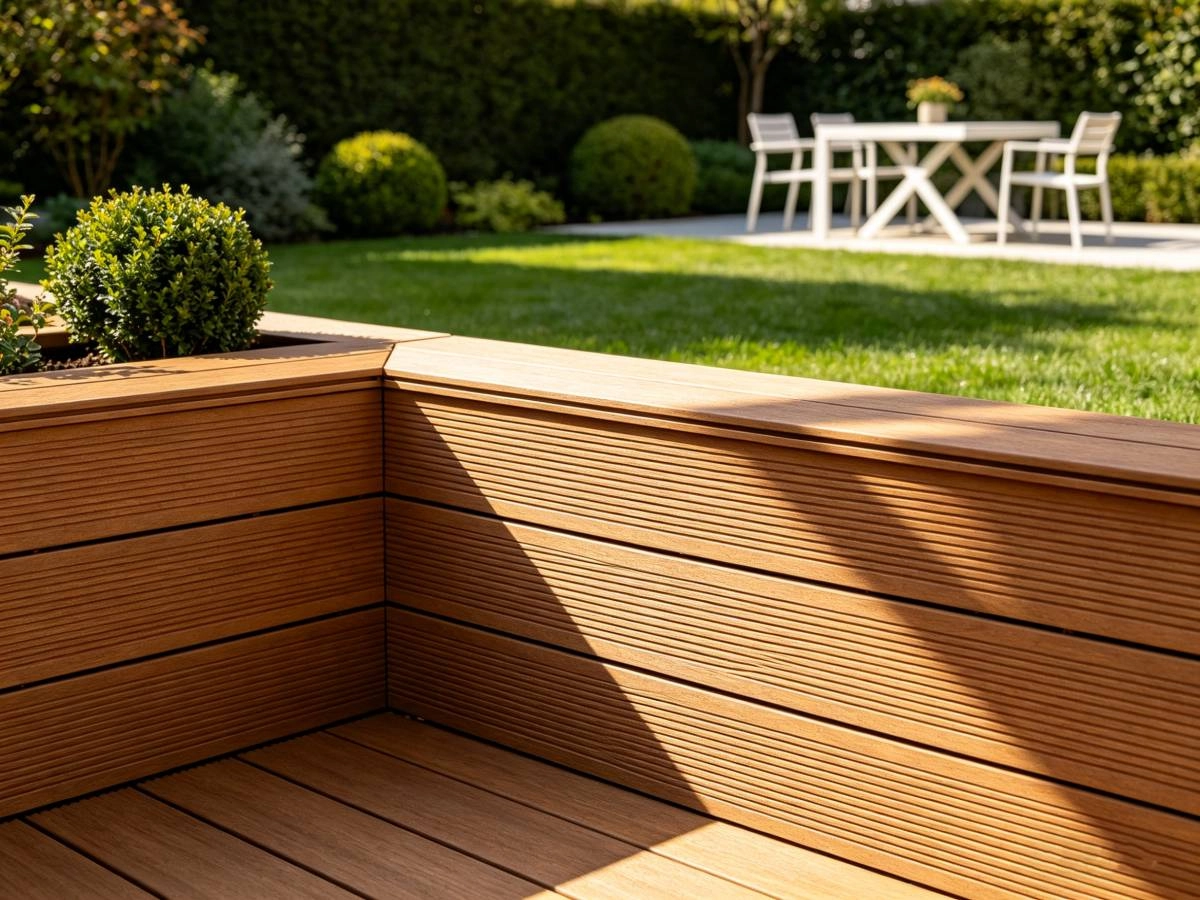
Beyond performance benefits, WPC wall panels offer substantial design flexibility. Modern manufacturing technologies allow panels to replicate the texture and grain patterns of natural wood while providing a wider range of colors and finishes.
These design possibilities allow architects to achieve visually appealing building exteriors while maintaining full functional performance.
Sustainability has become an increasingly important factor in construction. WPC wall panels contribute to environmentally responsible building practices because they often incorporate recycled wood fibers and recycled plastics.
Reduced reliance on natural timber resources
Utilization of recycled materials in production
Longer product lifespan, reducing replacement frequency
Potential contribution to green building certifications
By extending the lifecycle of raw materials and reducing waste, WPC panels align well with modern sustainable construction principles.
WPC wall panels provide a combination of durability, aesthetic versatility, and environmental benefits that make them well suited for exterior wall applications. Their resistance to weather, low maintenance requirements, and long service life allow building owners to achieve both functional and visual improvements in façade design.
As architectural projects increasingly prioritize energy efficiency, sustainability, and long-term performance, WPC wall panels continue to gain popularity as a practical and modern solution for exterior wall cladding.