Wood–plastic composite (WPC) flooring has become a popular material for outdoor decking, patios, and terraces because of its durability, low maintenance, and wood-like appearance. However, one common concern raised by homeowners and designers is whether WPC flooring becomes excessively hot during summer months.
Understanding how WPC behaves under sunlight requires examining its material composition, environmental exposure, and installation design. While WPC flooring can absorb heat like many outdoor materials, its actual surface temperature and comfort level depend on several technical factors rather than the material alone.
WPC flooring is typically made from a combination of wood fibers and thermoplastic polymers, which creates a dense and durable composite structure. Like other outdoor flooring materials such as natural wood, stone, or concrete, WPC surfaces absorb solar radiation when exposed to direct sunlight.
Several material characteristics influence how quickly the surface heats up:
In practical terms, WPC flooring does warm up in strong sunlight, but its temperature behavior is similar to many other outdoor materials used in decking applications.
To better understand the heat performance of WPC flooring, it helps to compare it with other common outdoor surfaces.
| Material | Heat Retention | Comfort Level in Sun | Maintenance Needs |
|---|---|---|---|
| Natural Wood | Moderate | Generally comfortable | High |
| WPC Flooring | Moderate to slightly high | Manageable with design strategies | Low |
| Stone or Concrete | High | Often very hot | Low |
| Ceramic Tiles | Moderate to high | Depends on color and exposure | Moderate |
From an engineering perspective, stone and concrete often reach higher surface temperatures than WPC because they store heat more efficiently. Natural wood tends to remain slightly cooler because of its lower density and insulating structure.
Rather than asking whether WPC flooring becomes hot, it is more useful to understand what conditions cause higher temperatures. Several factors play an important role:
Color has a direct impact on heat absorption.
For installations in hot climates, lighter shades are generally recommended.
Decks that receive full sunlight throughout the day will naturally experience higher temperatures compared to shaded areas.
Proper airflow beneath the decking boards can significantly influence surface temperature.
Poor ventilation can trap heat and increase the perceived temperature of the surface.
Some WPC flooring profiles include hollow or ventilated structures, which reduce weight and allow heat to disperse more efficiently. These designs help limit excessive heat buildup compared with solid, dense boards.
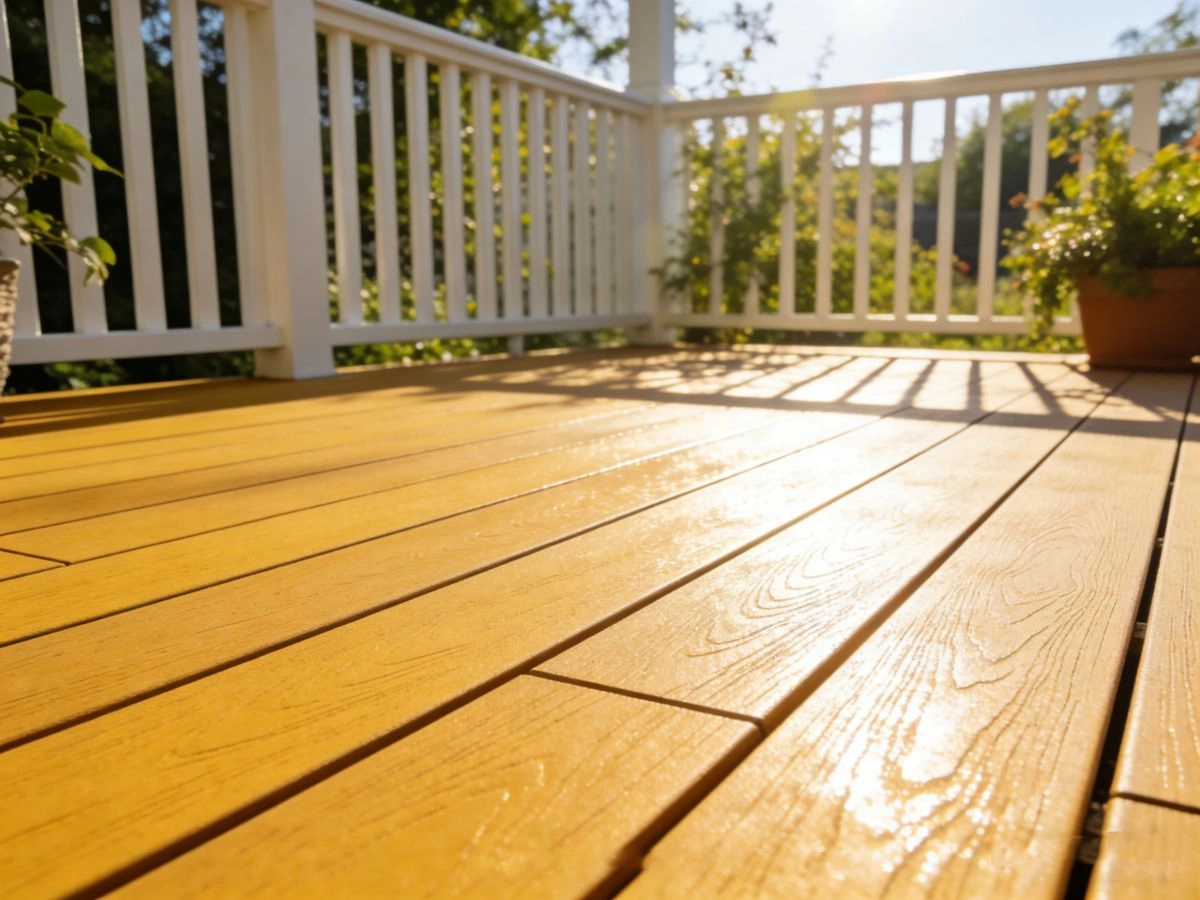
Although WPC flooring may warm up in strong sunlight, several practical strategies can improve comfort during summer:
These measures are commonly used in outdoor architectural design to enhance thermal comfort regardless of the flooring material.
Modern WPC products increasingly incorporate improved surface technologies and additives that help regulate temperature behavior. For example:
While these features do not eliminate heat absorption entirely, they help maintain consistent structural performance and surface comfort even in hot climates.
From a technical standpoint, WPC flooring remains a reliable choice for outdoor applications in warm regions. When properly designed and installed, it provides a balanced combination of durability, weather resistance, and manageable heat performance.
Compared with traditional materials, WPC offers several advantages:
These characteristics make WPC flooring suitable for patios, pool decks, rooftop terraces, and public walkways even in areas with intense summer heat.
WPC flooring can become warm under direct summer sunlight, but this behavior is not unique to composite materials. Surface temperature depends largely on color selection, sunlight exposure, ventilation design, and installation practices. With thoughtful planning—such as choosing lighter colors, improving shading, and ensuring adequate airflow—WPC decking can remain comfortable and functional throughout the summer season.
For many residential and commercial projects, the long-term benefits of WPC flooring—including durability, low maintenance, and aesthetic flexibility—continue to outweigh concerns about heat absorption. As composite technologies continue to evolve, modern WPC flooring solutions are increasingly designed to balance performance, comfort, and environmental durability in outdoor spaces.