Composite decking is a popular choice for homeowners looking for a durable and low-maintenance outdoor surface. Made from a combination of wood fibers and plastic, composite boards are designed to withstand the elements, offering a long-lasting solution for decks, patios, and other outdoor areas. However, one common concern that many people have is whether composite decking will bleach or fade in direct sunlight over time.
In short: Yes, composite decking can fade in the sun, but the degree of fading depends on several factors . While composite decking is designed to resist UV rays better than traditional wood, sun exposure can still cause some fading or bleaching. It’s important to understand that composite decking fades differently than natural wood.
Composite decking fades primarily due to ultraviolet (UV) rays from the sun. UV rays break down the surface materials of the decking, leading to a gradual lightening of the color. Over time, the color will become less vibrant, especially in areas with prolonged direct sunlight.
Unlike natural wood, composite decking is engineered with a mix of wood fibers and plastic , which makes it more resistant to environmental elements. However, the plastic component—often made from recycled materials—can still be affected by UV rays. Most composite decking brands use UV-resistant additives to help reduce the amount of fading, but no material is entirely immune to the effects of sun exposure.
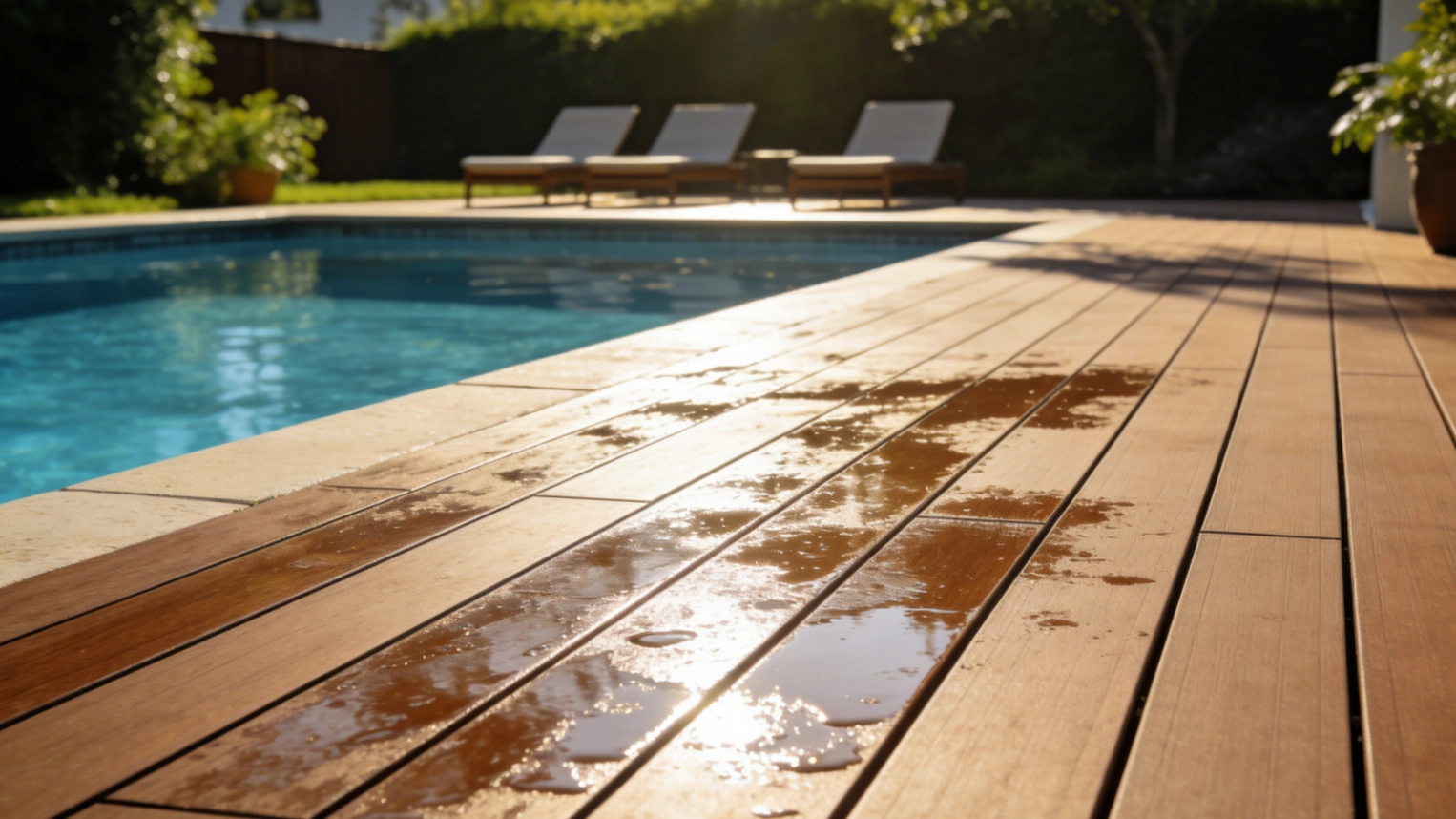
Several factors can influence how much composite decking will fade:
1. Quality of the Decking Material
High-quality composite decking, especially those with capped layers or UV-protected coatings, tends to be more resistant to fading. For example, products with a co-extruded cap will have an extra layer of protection that shields the material from UV rays.
2. Color and Shade
Darker composite decking colors are generally more prone to fading than lighter shades. This is because darker colors absorb more heat and light, which accelerates the fading process. Lighter colors tend to reflect sunlight, causing less fading over time.
3. Amount of Direct Sunlight
The more direct sunlight your deck receives, the faster it is likely to fade. Areas with intense, consistent sunlight—such as decks located in southern or western-facing positions—are more susceptible to fading than those with more shaded exposure.
4. Exposure to Elements
In addition to sunlight, other weather conditions—such as rain, snow, and humidity —can affect the fading process. Moisture can seep into the deck and wear down protective coatings, making it more vulnerable to UV damage.
While fading is inevitable over time, there are several ways to minimize the effects of sun exposure and keep your composite deck looking fresh:
1. Choose High-Quality Decking
Investing in premium composite decking that is designed with UV protection and capped layers can significantly reduce fading. Many brands offer warranties that cover fading, ensuring the decking retains its appearance for years.
2. Regular Cleaning and Maintenance
Regular cleaning is essential to maintain the appearance of composite decking. Use mild soap and water to remove dirt and debris that can contribute to surface degradation. Avoid harsh chemicals that could break down the protective surface.
3. Use Deck Furniture and Rugs
Strategically placing deck furniture, rugs, or shade structures can help protect certain areas of your deck from prolonged sun exposure. Over time, furniture can create shaded areas that prevent the decking from fading evenly, so rotating or moving the furniture can help distribute sun exposure more evenly.
4. Apply Protective Coatings
Some composite decking manufacturers offer protective coatings or sealants designed specifically for their products. These coatings add an additional layer of protection against UV rays and moisture, helping the deck maintain its color for a longer period.
While composite decking does have the potential to fade or bleach in the sun , it is generally far more resistant to this than traditional wood. Understanding the factors that affect fading, such as UV exposure, quality of materials, and the color of your decking, can help you take steps to preserve its appearance. By maintaining your composite deck and choosing a high-quality, UV-protected product, you can enjoy a beautiful, durable deck that will stand the test of time without excessive fading.
If you're looking for composite decking that provides long-lasting performance with minimal fading, consider investing in Yuante’s premium WPC decking range, which is designed with advanced UV resistance and a capped surface for superior durability and aesthetic longevity.