Co-extrusion WPC flooring has become one of the most discussed developments in outdoor decking over the past decade. By combining a traditional wood–plastic composite core with a co-extruded protective surface layer, this flooring type aims to improve durability, appearance retention, and ease of maintenance. However, like any engineered material, it is not a universal solution. Understanding where co-extrusion WPC flooring performs best—and where it may be unnecessary or less suitable—helps designers, engineers, and project owners make more informed decisions.
Co-extrusion WPC flooring consists of two integrated layers produced in a single manufacturing process.
The core layer provides structural strength and load-bearing capacity, typically made from a blend of wood fibers and recycled plastics.
The outer cap layer is a polymer-rich shell designed to resist moisture penetration, staining, fading, and surface wear.
This layered structure distinguishes co-extrusion WPC from first-generation WPC decking, which has a homogeneous cross-section and relies solely on bulk material properties for performance.
1. High-Exposure Outdoor Environments
Co-extrusion WPC flooring performs particularly well in locations with intense environmental exposure. Areas subjected to strong sunlight, frequent rain, or large temperature variations benefit from the protective cap layer, which significantly improves UV stability and moisture resistance. In such environments, the surface maintains color and texture more consistently over time compared with uncapped composite or natural wood.
Balconies, rooftop terraces, poolside decks, and seaside walkways are typical examples where long-term exposure can accelerate material degradation. In these settings, co-extrusion flooring provides a more predictable service life and appearance.
2. Commercial and Public Spaces
Commercial applications often involve higher foot traffic and stricter maintenance expectations. Restaurants, hotels, boardwalks, and public plazas require flooring that can tolerate abrasion, food spills, cleaning chemicals, and frequent washing.
The capped surface of co-extrusion WPC flooring reduces stain absorption and simplifies cleaning, which lowers long-term maintenance effort. Products such as our YT-C co-extrusion WPC flooring are designed with these demands in mind, offering a durable surface layer combined with a stable composite core suitable for continuous use in commercial environments.
3. Projects Requiring Long-Term Appearance Retention
In architectural projects where visual consistency is important—such as residential developments, resorts, or mixed-use complexes—co-extrusion WPC flooring offers a clear advantage. The cap layer acts as a barrier against fading and surface erosion, helping the deck maintain a uniform look across large areas.
Compared with traditional WPC, which may gradually lighten or show surface wear, co-extrusion products provide a longer aesthetic lifecycle, aligning well with projects that prioritize long-term visual quality.
4. Low-Maintenance Design Requirements
When maintenance access is limited or ongoing upkeep costs must be minimized, co-extrusion WPC flooring is often the preferred solution. The non-porous surface reduces the need for sealing, staining, or intensive cleaning routines. For property owners managing multiple sites or large deck areas, this reduction in maintenance effort translates directly into operational savings over time.
1. Low-Budget or Cost-Sensitive Projects
Co-extrusion WPC flooring generally carries a higher initial cost than first-generation WPC or basic treated timber. In projects where budget constraints dominate decision-making and long-term performance is less critical, traditional WPC may be sufficient.
For example, small residential patios with limited exposure and light use may not fully benefit from the added performance of a capped surface, making standard composite decking a more economical option.
2. Covered or Low-Exposure Areas
In semi-indoor or fully covered spaces—such as enclosed verandas or shaded courtyards—the enhanced UV and moisture resistance of co-extrusion flooring may be underutilized. In these conditions, first-generation WPC or other engineered wood alternatives can perform adequately without the added cost of a co-extruded layer.
3. Applications Requiring Frequent On-Site Modification
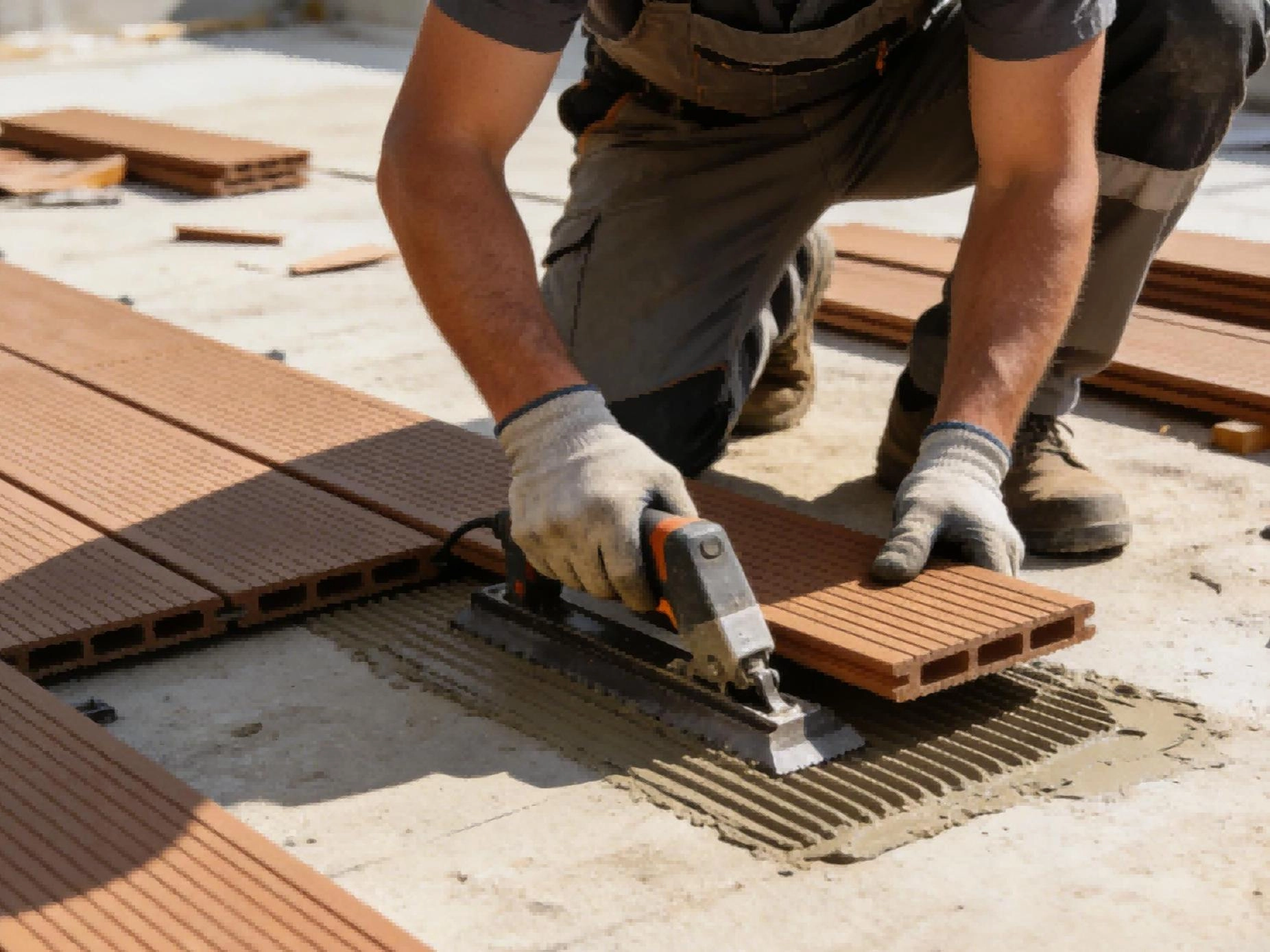
While co-extrusion WPC flooring can be cut and installed using standard tools, excessive on-site cutting may expose the core material at edges or joints. Although this does not typically affect structural performance, it may slightly reduce surface protection in those areas. Projects involving extensive custom shaping or frequent post-installation modifications should carefully plan edge treatment and detailing.
From an engineering standpoint, co-extrusion WPC flooring is best evaluated based on performance requirements rather than novelty . Its advantages—improved surface durability, reduced maintenance, and better long-term appearance—are most valuable when environmental exposure and usage intensity justify them.
Products such as our YT-C co-extrusion WPC flooring demonstrate how this technology can be effectively applied to outdoor flooring systems, offering a balanced combination of structural reliability and surface protection. When paired with a properly designed substructure and correct installation practices, such systems can deliver stable performance over an extended service life.
Co-extrusion WPC flooring is an optimal choice for outdoor environments with high exposure, heavy use, or strict appearance and maintenance requirements. It is particularly well-suited to commercial spaces, premium residential projects, and areas where long-term durability is a priority. However, it is not always necessary for low-exposure or cost-sensitive applications, where traditional WPC or other materials may provide sufficient performance.
Selecting co-extrusion WPC flooring should therefore be a deliberate decision based on environmental conditions, usage demands, and lifecycle expectations—rather than a default upgrade. When applied appropriately, it represents a technically sound and durable solution for modern outdoor flooring systems.