
Does WPC Decking Fade Over Time? Causes and Solution
Introduction
Wood Plastic Composite (WPC) decking has become a popular alternative to traditional timber decking because of its durability, low maintenance requirements, and modern appearance. However, one question homeowners, contractors, and distributors often ask is: Does WPC decking fade over time?
The short answer is yes — like most outdoor materials exposed to sunlight and weather, WPC decking can experience some level of color fading. The good news is that modern WPC decking is engineered to minimize fading, and understanding the causes can help users maintain the deck's appearance for many years.
This article explores why WPC decking fades, how significant the fading usually is, and what practical solutions can help reduce or prevent discoloration.
What Causes WPC Decking to Fade?
WPC decking is made from a combination of wood fibers, plastic materials, pigments, and additives. Although these components improve weather resistance compared to natural wood, they are still affected by long-term environmental exposure.
1. UV Radiation from Sunlight
Ultraviolet (UV) rays are the primary reason WPC decking loses color over time. Continuous exposure to sunlight gradually breaks down surface pigments and weakens certain polymers inside the decking boards.
Common effects include:
- Slight lightening of darker colors
- Uneven fading in partially shaded areas
- Surface oxidation during the first few months
- Reduced richness or saturation of the original tone
In most cases, the most noticeable color change occurs during the initial 3–6 months after installation. After this weathering period, the color usually stabilizes.
2. Moisture and Weather Exposure
Rain, humidity, frost, and temperature fluctuations also contribute to surface aging. Moisture can interact with the wood fibers inside WPC boards, while repeated expansion and contraction may gradually affect the surface finish.
Environmental conditions that accelerate fading include:
- Coastal salt exposure
- Heavy rainfall regions
- High humidity climates
- Extreme summer heat
- Snow and ice cycles
Although WPC decking performs better than traditional wood under these conditions, harsh environments can still speed up visual aging.
3. Low-Quality Pigments and Materials
Not all WPC decking products are manufactured to the same standard. Lower-quality boards often use cheaper pigments or reduced UV stabilizers, making them more vulnerable to rapid fading.
Inferior products may show:
- Patchy discoloration
- Chalky surfaces
- Faster greying
- Inconsistent color retention
- Surface brittleness
High-quality WPC decking generally contains advanced UV-resistant additives and protective outer layers that improve long-term color stability.
4. Surface Dirt and Chemical Exposure
Sometimes what appears to be "fading" is actually surface contamination. Dirt, pollen, grease, mold, and cleaning chemicals can alter the appearance of decking boards.
Examples include:
- Chlorine bleaching from pool chemicals
- Oil stains from grills
- Harsh alkaline cleaners damaging pigments
- Mold creating dark spots
- Uneven cleaning causing tone differences
Proper maintenance is important to preserve the original appearance.
Is Fading Worse Than with Traditional Wood?
Compared with natural timber decking, WPC decking generally offers much better color stability.
Comparison Between WPC and Traditional Wood
| Feature | WPC Decking | Traditional Wood Decking |
|---|---|---|
| UV Resistance | High | Moderate to Low |
| Need for Repainting | Rare | Frequent |
| Moisture Resistance | Strong | Vulnerable |
| Color Stability | Relatively Stable | Can Grey Quickly |
| Maintenance Level | Low | High |
| Surface Cracking Risk | Low | Higher |
Traditional wood often requires staining, sealing, or repainting every 1–2 years to maintain appearance. WPC decking, by contrast, usually retains acceptable color performance with only routine cleaning.
How Much Fading Is Normal?
A small degree of fading is considered normal for outdoor composite decking. Most manufacturers expect:
Approximately 5%–15% color variation during early weathering
Stabilization after initial sun exposure
Gradual aging rather than dramatic discoloration
Darker colors such as charcoal, coffee, or dark walnut may show fading more visibly than lighter shades like grey or sand.
Modern capped WPC decking products typically perform much better than older uncapped versions because the protective cap layer shields pigments from direct UV exposure.
Solutions to Reduce WPC Decking Fading
Choose High-Quality Capped WPC Decking
One of the most effective ways to reduce fading is selecting capped composite decking rather than traditional uncapped boards.
Capped WPC decking includes an outer polymer shell that offers:
Enhanced UV resistance
Better moisture protection
Improved stain resistance
Longer-lasting color consistency
Reduced maintenance needs
Although capped decking may cost more initially, it usually provides better long-term value.
Select Lighter Colors for High-Sun Areas
Dark surfaces absorb more heat and tend to show fading more clearly. In regions with strong sunlight, lighter shades are often a practical choice.
Recommended colors for sunny climates include:
Light grey
Sand beige
Ash brown
Stone tones
Weathered oak finishes
These shades generally maintain a more consistent appearance over time.
Clean the Deck Regularly
Routine cleaning prevents dirt accumulation that can make fading appear worse.
Basic Cleaning Tips
Sweep debris weekly
Wash with mild soap and water
Use a soft-bristle brush
Rinse thoroughly after cleaning
Remove standing water when possible
Avoid:
Metal brushes
Strong bleach concentrations
Solvent-based cleaners
High-pressure washing at close range
Proper cleaning helps preserve both appearance and surface texture.
Improve Shade and Ventilation
Reducing direct sunlight exposure can slow the fading process significantly.
Possible solutions include:
Pergolas
Shade sails
Outdoor awnings
Strategic landscaping
Partial roof coverage
Good airflow around the decking also reduces moisture retention and heat buildup.
Can Faded WPC Decking Be Restored?
Unlike natural wood, WPC decking cannot usually be sanded and refinished repeatedly. However, mild fading can often be improved through cleaning and surface restoration methods.
Possible Restoration Approaches
Deep Cleaning
A professional composite deck cleaner may remove oxidation, dirt buildup, and stains that make the deck look older than it actually is.
Heat Treatment for Minor Scratches
Some surface discoloration caused by scratches may become less visible using controlled heat application, though this should be done carefully.
Board Replacement
If only a few boards are heavily faded or damaged, replacing individual boards may restore visual consistency.
How Manufacturers Improve Fade Resistance
Modern WPC technology continues to evolve. Many manufacturers now incorporate advanced engineering features to improve long-term outdoor performance.
Common Fade-Resistance Technologies
| Technology | Function |
|---|---|
| UV Stabilizers | Reduce ultraviolet degradation |
| Protective Polymer Caps | Shield the core from weather |
| Co-Extrusion Technology | Creates a durable outer layer |
| High-Quality Pigments | Improve long-term color retention |
| Anti-Oxidation Additives | Slow material aging |
These innovations help modern WPC decking remain visually attractive even after years of outdoor use.
Final Though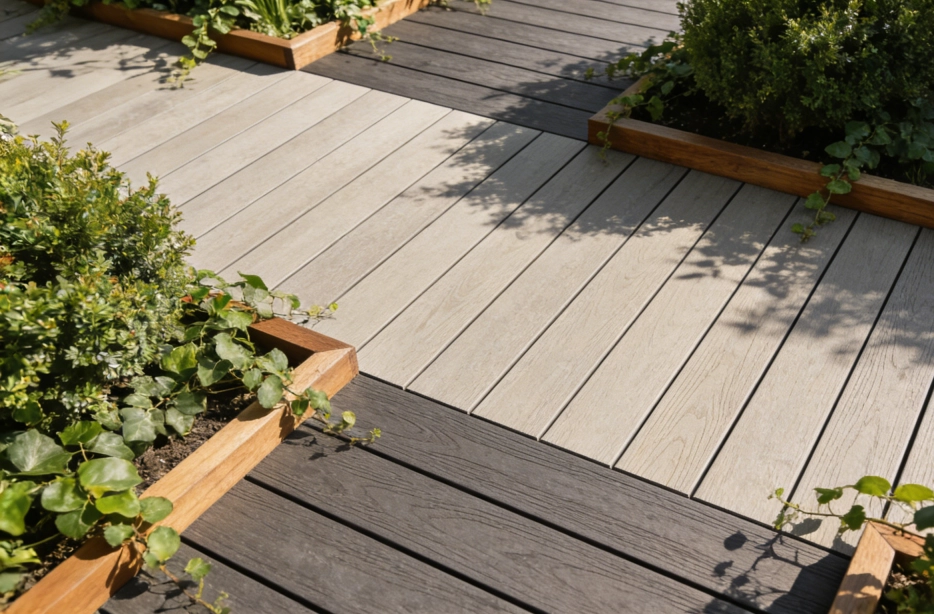 ts
ts
So, does WPC decking fade over time? Yes — some degree of fading is unavoidable for any outdoor material exposed to sunlight and weather. However, compared with traditional wood decking, WPC products generally offer much better color stability and require far less maintenance.
The level of fading depends on several factors, including:
UV exposure
Product quality
Climate conditions
Color selection
Maintenance habits
By choosing high-quality capped WPC decking, using proper cleaning methods, and minimizing prolonged UV exposure, homeowners can significantly reduce fading and maintain an attractive outdoor space for many years.
In most cases, the slight weathering that occurs over time is gradual and natural, giving the decking a more mature and consistent appearance rather than making it look damaged or worn out.
